The real answers to the questions Herndon parents ask before their kid's first class.
There's a very specific parental anxiety that precedes this Google search. Your kid is eight, maybe nine, and something is off. Either they can't hold their ground in social situations or they're overreacting to every minor physical confrontation. Sometimes both at once, which can be a special kind of exhausting. You've heard martial arts can help with this. You're skeptical. You should be skeptical. Whether that's true depends almost entirely on the gym.
A gym running kids' jiu-jitsu as a revenue line item tacked onto the adult schedule is going to produce mixed results, or none at all. A gym that has genuinely built its kids' program from the ground up, with age-appropriate curriculum and coaches selected specifically for working with children, produces something measurably different. Here's what that looks like at Phantom Jiu-Jitsu for families in Herndon.
What Actually Happens in a Kids' BJJ Class
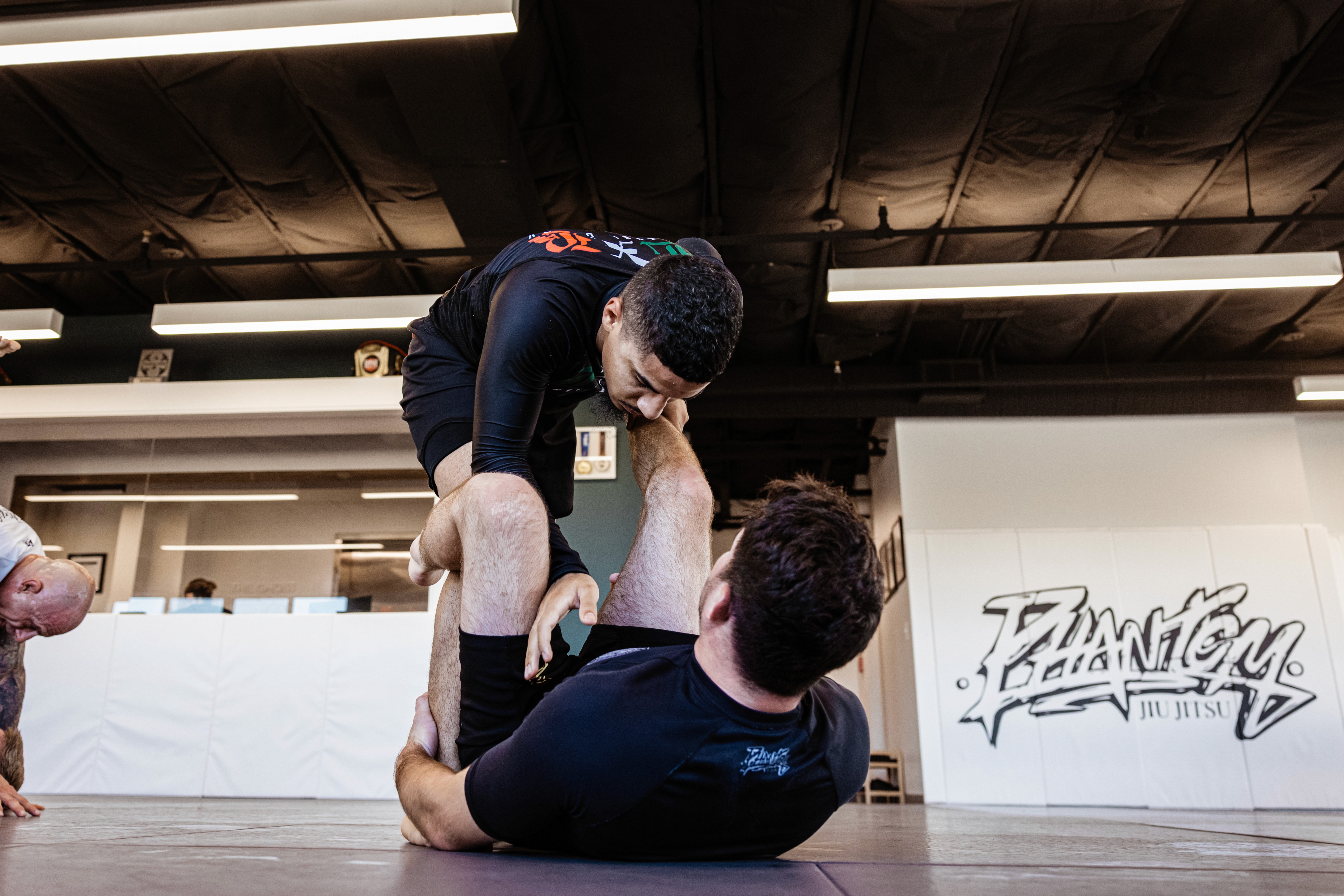
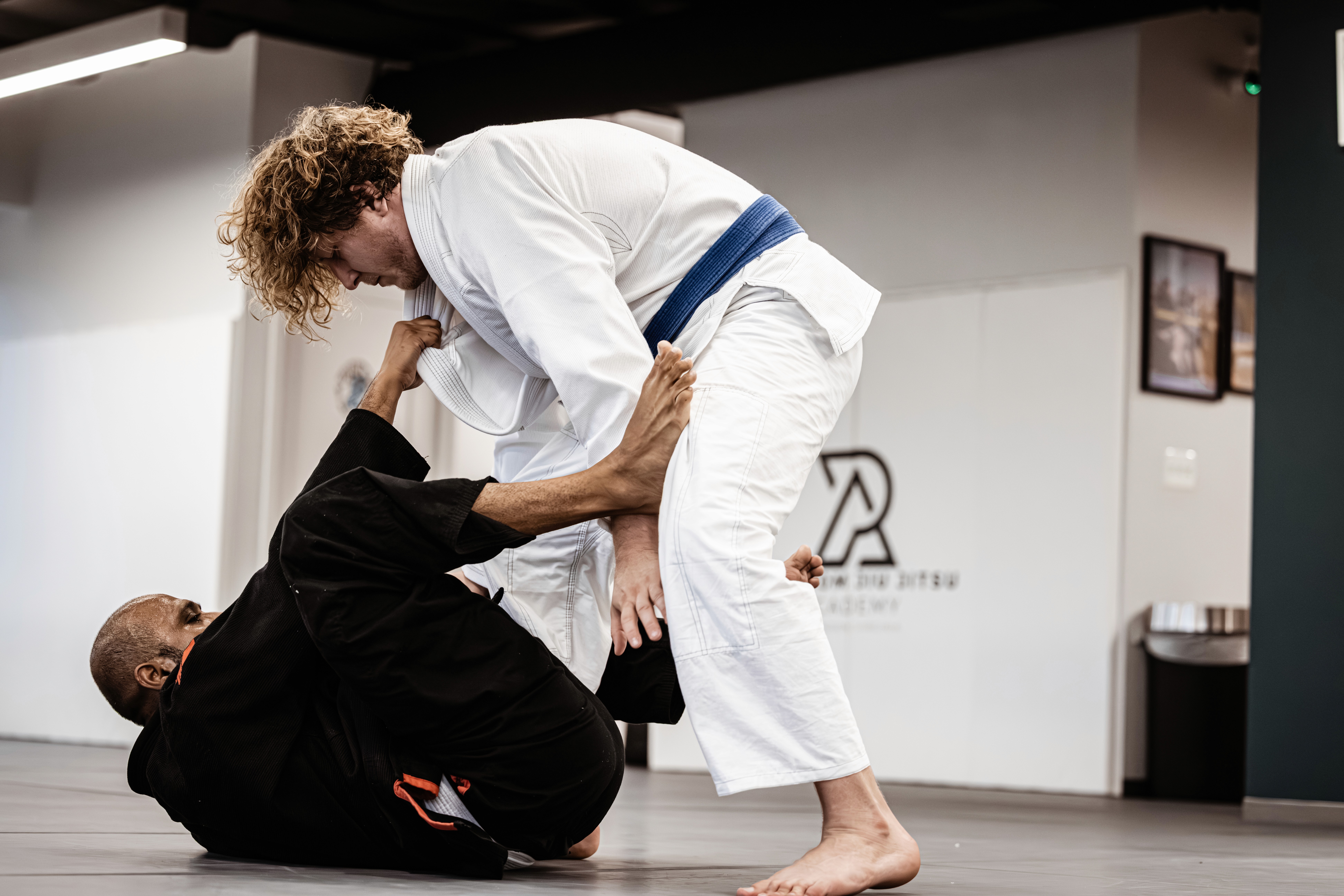
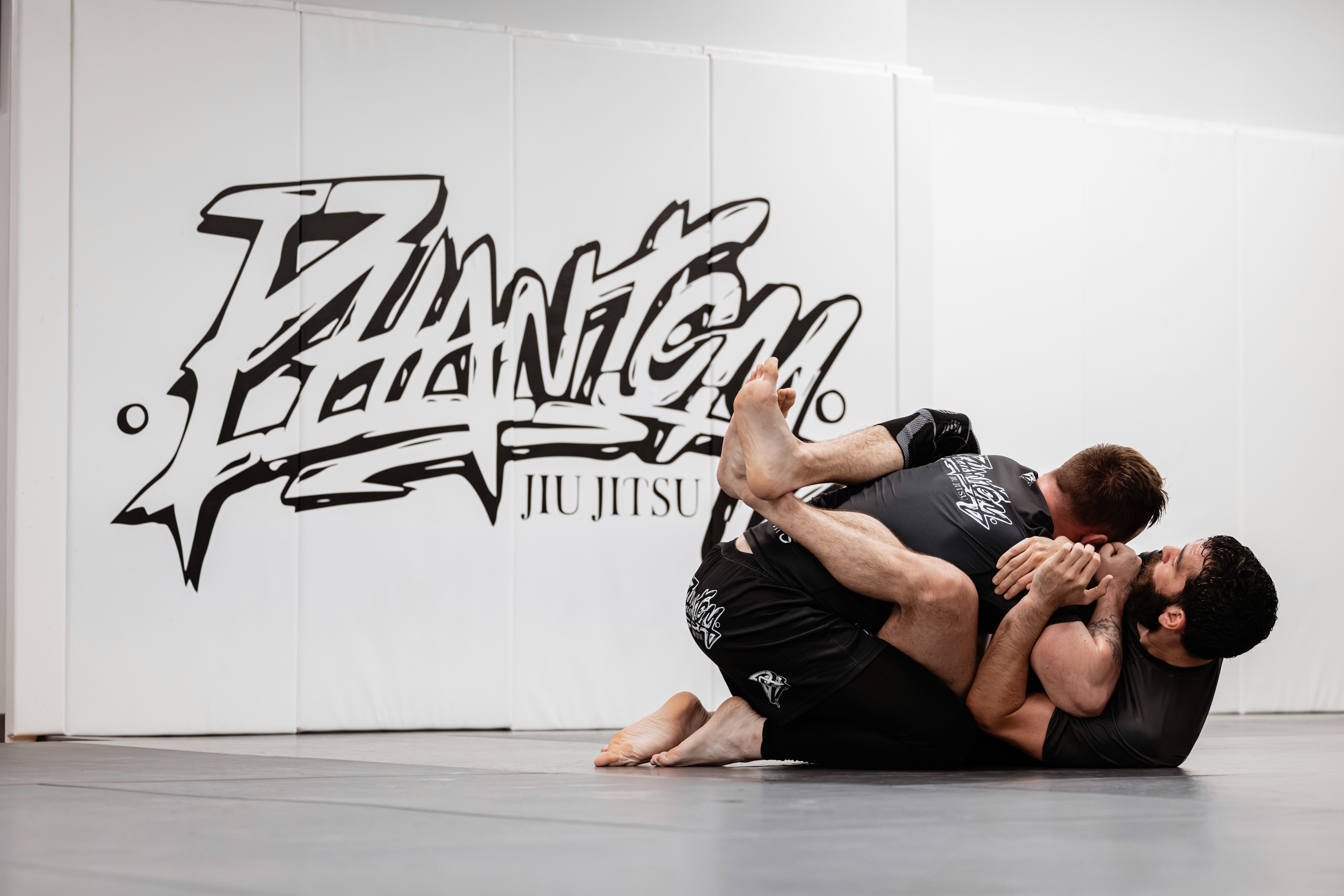
The class is not sparring. Children are not placed in situations where the goal is to hurt or dominate each other. The actual content of a well-run session is movement, game-based drilling, positional exercises, and controlled partner work. For older kids who've built a foundation, live rolling gets introduced with explicit rules, clear stopping points, and a coach whose attention is on the room at all times.
What this builds, over months and years, is a kid with a concrete physical vocabulary for navigating contact. They've been in that situation before, many times, in a supervised environment where tapping out is treated as information and not failure. The confidence that follows from that is specific and legible. Coaches see it. Teachers see it. Parents tend to notice it first.
The Social Part Is Real
Jiu-jitsu training is partner-dependent. You cannot get better alone. You get better because your training partner is helping you get better, and you are doing the same for them, and over time that becomes a relationship. Kids who've trained for a year tend to have a noticeably different relationship to losing and learning than kids who haven't. They tap, they shake hands, they make an adjustment, they go again. They've done that rep hundreds of times in a low-stakes setting, and it generalizes outward into how they handle frustration in other contexts. That's not a theory. That's a consistent observable pattern in kids who train seriously.
The team dynamic in a good kids' program also tends to produce genuine friendships. Something about the physical nature of the training and the mutual dependence accelerates trust in a way that doesn't happen in most structured activities available to kids.
How Phantom Structures the Herndon Kids' Program
The curriculum is split by age, because a six-year-old and an eleven-year-old need different things and running them through the same class serves neither. Younger kids (roughly 5 to 7) get shorter sessions weighted heavily toward games and movement. The point at that age is building a positive relationship with the mat and with training, establishing that this is a place they want to come back to. Technical drilling comes later.
For kids in the 8-to-12 range, the technical content increases substantially. By the time a kid has been training for a year in this age group, their movement looks recognizably different. They understand base, they understand frames, they know how to fall. The fundamentals are going in, and they're going in in sequence, not randomly.
Parents are welcome to watch classes. The one thing coaches ask is that you resist coaching from the sideline, which is a completely normal impulse and also something that undermines what the coaches are trying to build. Let them work. The results are worth it.
The Question About Aggression
"Is this going to make my kid more aggressive?" This comes up in some form in almost every initial conversation with a new Herndon family. The research and the consistent experience of well-run programs points the same direction: kids who train in a structured, respect-centered martial arts environment tend to be less explosively reactive over time, not more. They have a real physical skill set, they've tested it in supervised conditions, and they know what they're capable of. That tends to produce kids who are calmer under social pressure, not louder.
Kids who feel physically powerless in conflict situations tend to either freeze or overcorrect. That's the pattern the training actually addresses.
Come Watch One Class
If you're in Herndon and any of this is resonating, the first class at Phantom is free and no gear is required. Bring your kid, watch the class, let them try it. Most kids know by the end of session one whether they want to come back. Most do.
Phantom Jiu-Jitsu offers kids' Brazilian jiu-jitsu for ages 5-12 near Herndon, VA. Age-differentiated curriculum, experienced coaches, and a free first class. Adult programs, women's classes, and private lessons also available.